Turned one chaotic Figma file into a system designers and developers could ship from
Shop Beeline sells phones bundled with mobile plans. When I joined, every page lived in one Figma file with no structure and no components. I rebuilt the e-commerce flow on a shared UI kit so the team could find, reuse and hand off work.
- My role
- Designer: file architecture, UI kit, flow rebuild
- Team
- Designers, developers
- Scope
- Main, listing, product, checkout and content pages
- Foundation
- Initium design system
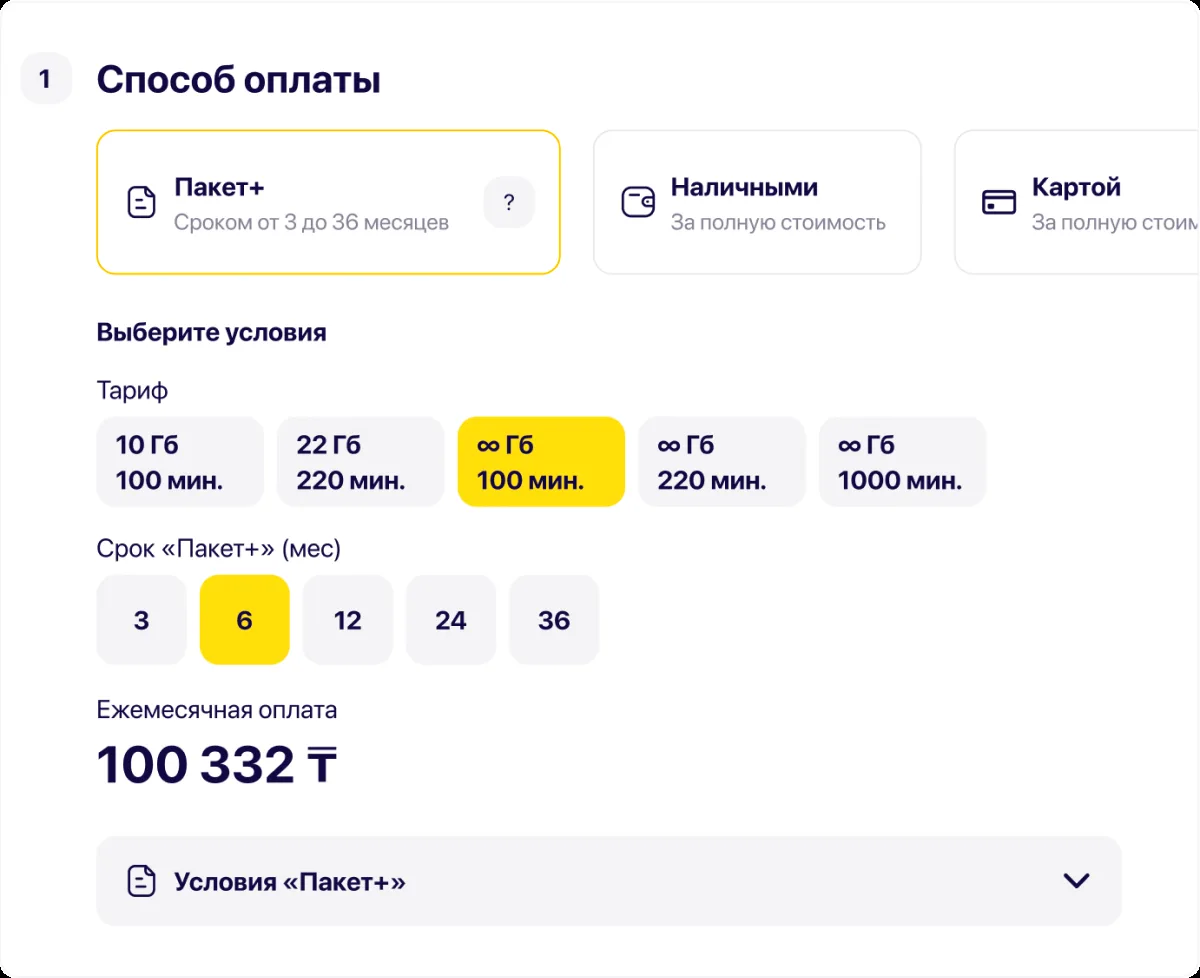
Design porridge
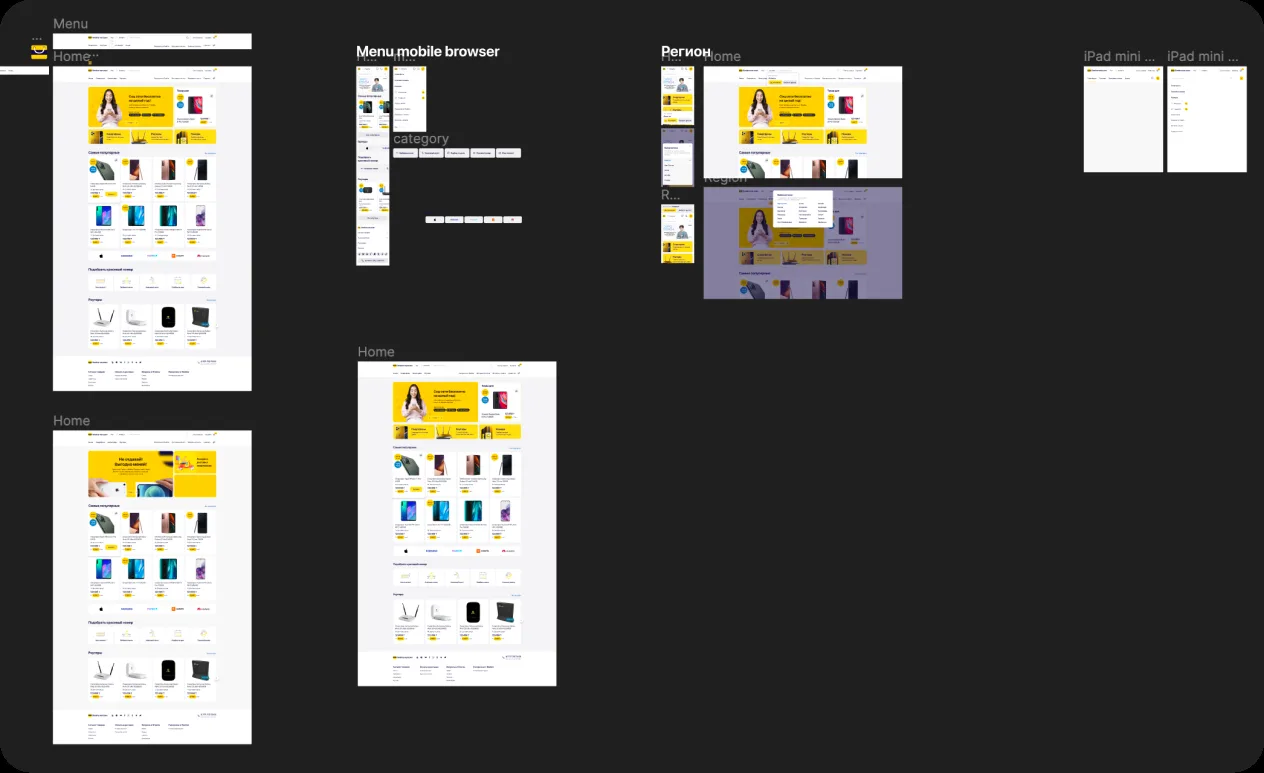
Main page, listings, checkout: everything was in a single Figma file with no hierarchy, no reusable elements and no layout logic. Designers couldn’t find files, and developers couldn’t get specs.
Structure first, then components
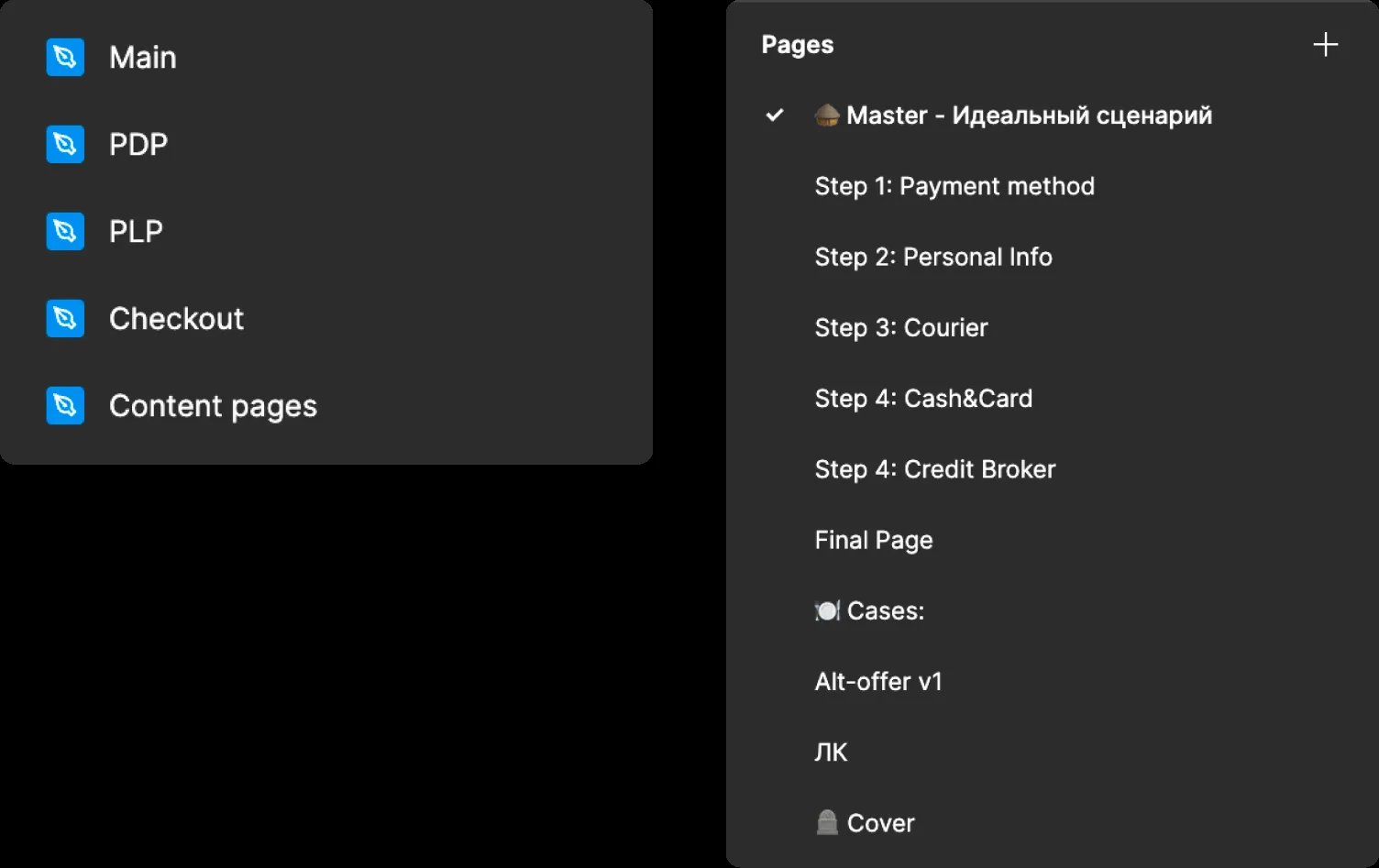
I studied best practice for Figma file organisation and design-system hierarchy, then split the work into clear files for Main, Product listing, Product detail, Checkout and Content pages, each with a master scenario.
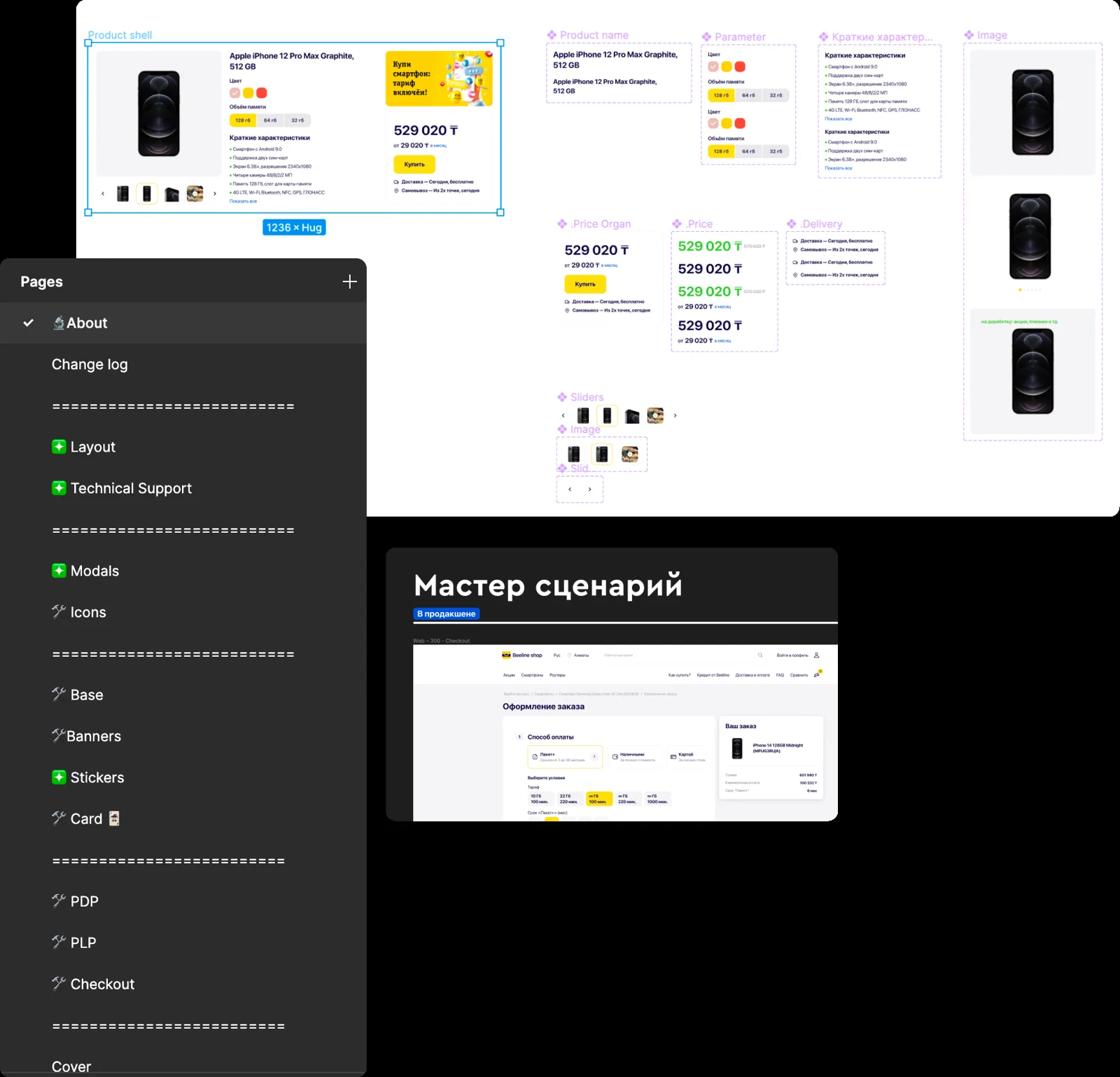
I rebuilt every flow from the ground up on a new UI kit based on the Initium design system, so styles, spacing and components were shared everywhere.
A file you can hand to anyone
After several iterations and team reviews, the final layouts went to development. The team got a clean, modular file structure, one design language, faster onboarding for new designers, and easier updates because components were reused instead of redrawn.
Rebuilding layouts isn’t moving rectangles. It changes how a team thinks: structure, systems and shared understanding.